IP-Academy
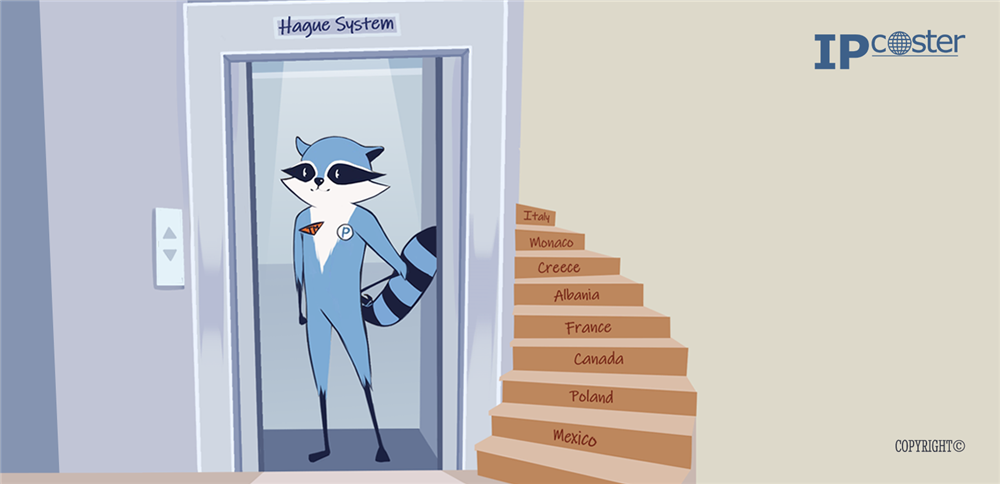
Hague system
Protecting industrial designs in multiple countries can be both expensive and time-consuming when done through individual national filings. The Hague System for the International Registration of Industrial Designs offers a faster, more cost-effective alternative. With a single application, you can register your design in over 90 countries.
What is the Hague System?
The Hague System was established under the Hague Agreement, first adopted in 1925. It is now governed by the Geneva Act of 1999, which is the most widely used and modern component of the system. While the Hague Act of 1960 remains formally in force, it is no longer applied in practice. The system is administered by the World Intellectual Property Organization (WIPO).
This system allows applicants to file a single international design application designating the jurisdictions where protection is needed and manage design portfolio (e.g., renewals, changes) centrally through WIPO’s International Bureau.
Who Can Apply?
To be eligible, the applicant must be:
· A national or resident of a contracting party.
· A national of a member state of a contracting party, or
· Have a real and effective business presence in a contracting party.
How to File
· Applications are generally filed directly with WIPO, but in some jurisdictions it is also possible to file through the national or regional IP office, if permitted.
· The application may be filed in English, French, or Spanish, the official languages of the system.
Applicants must pay three types of fees (in Swiss francs):
1. A basic fee,
2. Designation fees for each selected country, and
3. A publication fee.
Application Requirements
· A single application can include up to 100 designs, provided they all belong to the same class of the Locarno Classification.
· Each design must be accompanied by at least one reproduction—this could be a photo, drawing, or another type of graphic representation.
Some countries don't allow multiple designs in a single application. In such cases, the application may need to be divided when examined in that jurisdiction, though this doesn’t affect the overall international registration.
Priority Claims
You can claim priority from an earlier application (under the Paris Convention or WTO) if your international filing is submitted within six months of the earlier one.
What Happens After Filing?
Once submitted, WIPO examines the application for compliance with formal requirements, such as the payment of fees and the quality of the design representations.
After the formal examination:
· The application is published in the International Designs Bulletin—usually six months after filing.
· Applicants can request early publication or deferment of publication (where allowed).
Designated national IP offices are then notified and will conduct substantive examinations in accordance with their national laws. WIPO does not perform substantive examination.
Refusals and Decisions
Each designated contracting party decides independently whether to grant protection. If a design is refused in one jurisdiction, it does not affect the application's status in others.
Refusals must be issued within either 6 or 12 months from the date of publication, depending on the applicable national laws.
If no refusal is issued within the prescribed time limit, protection is deemed to be granted in that jurisdiction.
Responses to refusals are handled directly between the applicant and the national IP office—not through WIPO.
Duration and Renewal
· International design protection is initially valid for five years from the filing date.
· It can be renewed for additional five-year terms, up to the maximum duration permitted under the laws of each designated contracting party.
· WIPO will remind the right holder six months before renewal is due.
The Hague System provides a streamlined approach to securing international design protection. Instead of filing separate applications in each country, applicants can submit a single international application that follows a unified set of rules and requires only one set of fees. This significantly reduces the administrative burden by minimizing formalities and paperwork. Additionally, the application can be completed in just one language, making it accessible and efficient for users around the world. The value of such a system has become increasingly evident, especially as industrial design filings continue to rise.
Ready to Apply?
If you're interested in protecting your designs internationally, the Hague System can help you save time, effort, and costs. Contact IP-Coster today for more information or assistance with your application.
Common Questions
When is the Hague route the best choice instead of national design filings?
It's usually best when you want design protection in multiple Hague members and prefer a centralized filing and renewal workflow. If you only need 1-2 countries (or key markets are not covered by the Hague System), national filings may be simpler.
How do I choose which countries to designate in my Hague application?
Start with where you will manufacture, sell, ship, or face copying risk in the next 2-3 years. Hague application lets you designate as few or as many members as you want, so most applicants focus on core markets first and expand strategically.
Do I need a national design filing first before using Hague?
No, according to WIPO, there is no pre-requirement to file nationally or regionally before filing the Hague application. That's why Hague can be a fast "global-first" route for designs.
What should I prepare to avoid delays or refusals in designated countries?
Use clean, consistent views in the application, and avoid contradictions between views. Ensure the product indication and Locarno classification align.
How can I budget Hague vs national filings?
Compare one Hague filing with selected designations versus national filings in the same countries.
How can IP-Coster help after I choose my target jurisdictions?
Once you know the countries/regions you want to cover, you can use IP-Coster online tool to estimate official design registration costs country-by-country and plan your filing route before requesting professional support for preparation and responses. Additionally, you can contact us to receive tailored quotation for your Hague filing.